Archive 1.0
Title: Archives of Mukul Prabhat Kedar and Lata Kedar
Curator: Aditya Arya
Contributors: Atul Kedar, Aditya Arya, Meenakshi Sachdev Varma & Gayatri Chitale
Story
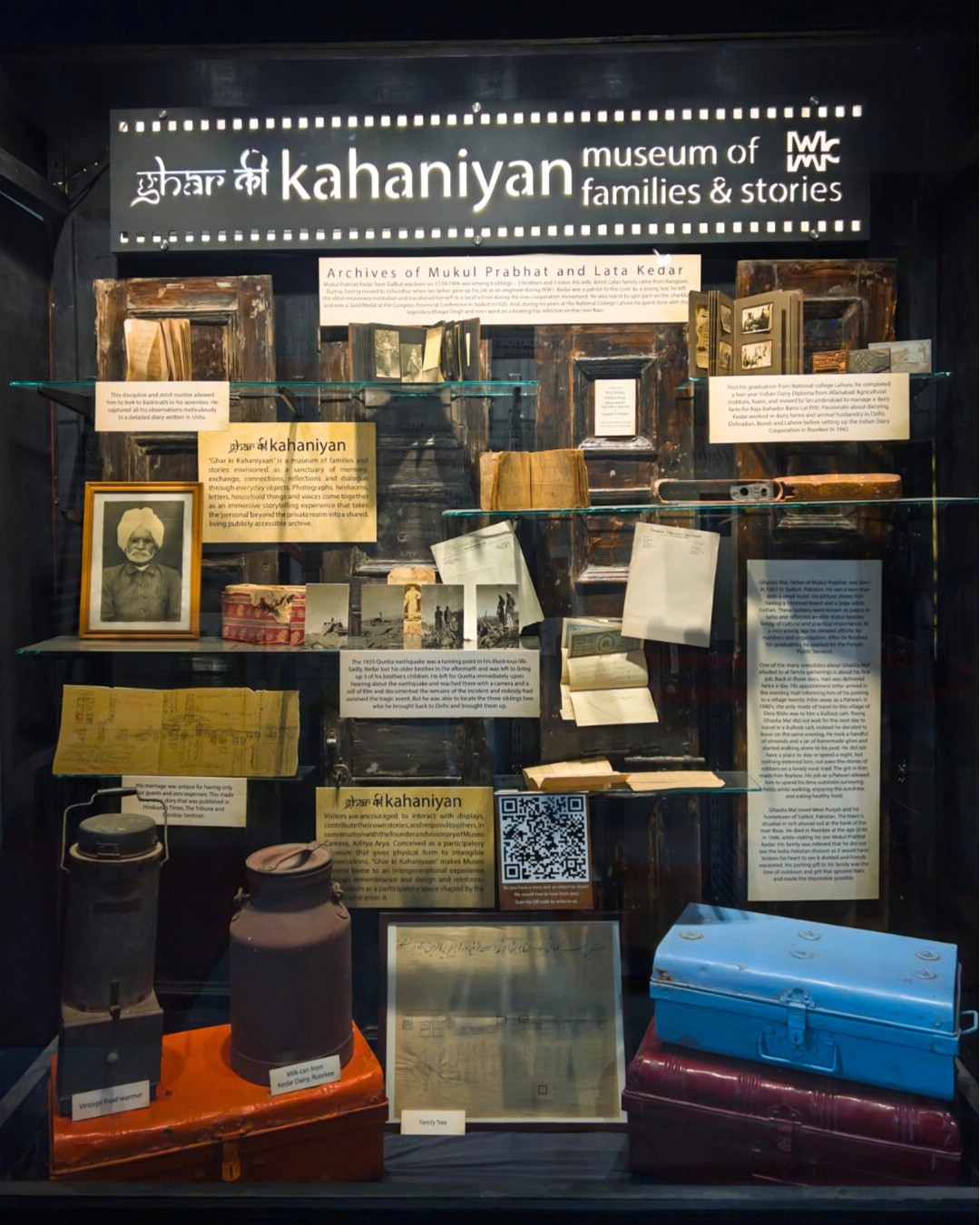
The first archive in our collection has roots in Sialkot, Lahore and Quetta. Curated by Aditya Arya, Founder of Museo Camera, it materially traces two generations of resilience and patriotism.
Born and raised in Sialkot, West Punjab, father and son, Ghasita Mal and Mukul Prabhat Kedar, shared an unfaltering devotion to their land and its people. The objects in this series offer a window into their lives, convictions and relationships.
Archive on View
Mukul Prabhat Kedar is remembered as a patriot to the core. During his early years at National College in Lahore, he forged a friendship with Bhagat Singh and even took a boating trip to the river Ravi, one of the five rivers that gave Punjab its name (panj - five and ab - water)
At a young age, he transferred himself to a local school to be closer to the Non-Cooperation movement and learnt to master the charka, an achievement that was later acknowledged with a gold medal at the Congress Provincial Conference in Sialkot in 1920.
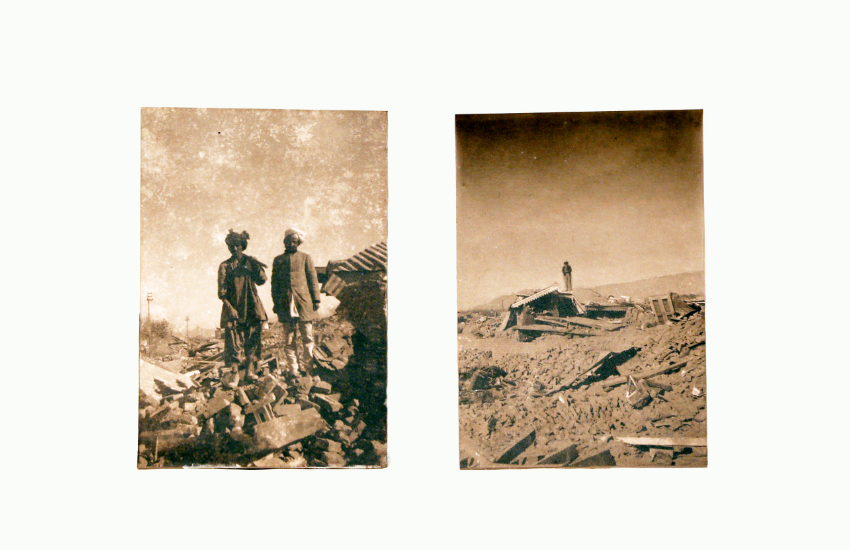
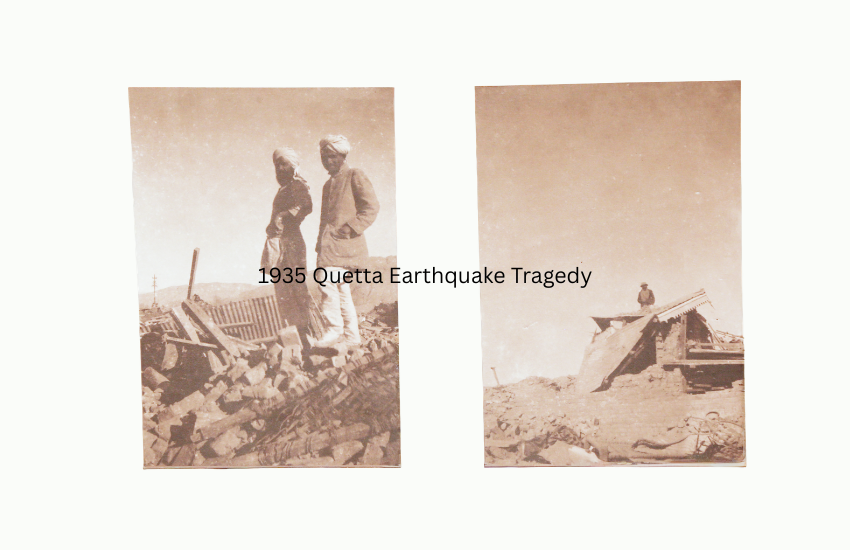
Kedar’s life took a tragic turn when he lost his older brother to the earthquake that shook the entire city of Quetta. He reached the site with a camera and a roll of film to document the aftermath. The photographs he made have survived as a personal record of loss.
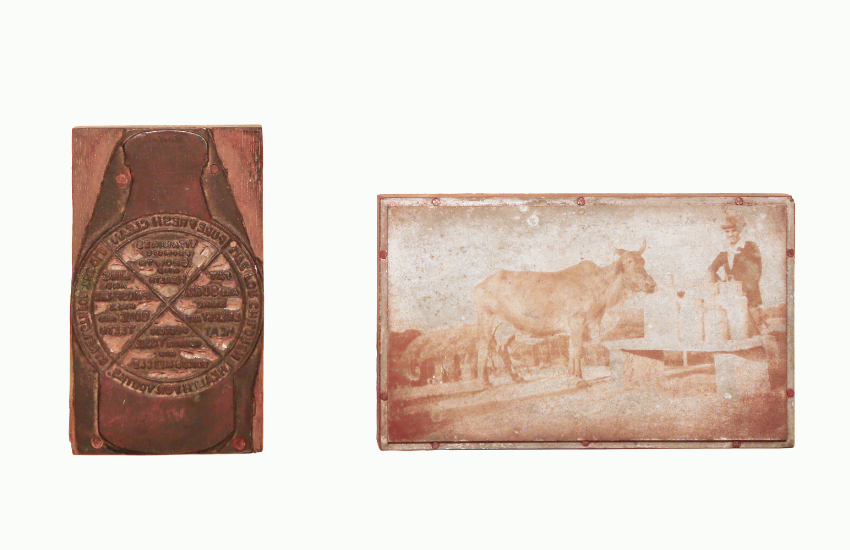
After graduating from the Allahabad Agricultural Institute in Naini with a specialisation in dairy science, he lived in Secunderabad, and later, in Delhi, Dehradun, Bundi and Lahore in pursuit of his passion for dairying. His expertise in dairy farming and animal husbandry finally materialised in the establishment of The Indian Dairy Corporation in Roorkee in 1942.
The objects preserved from this period offer a material record of his work and enterprise.
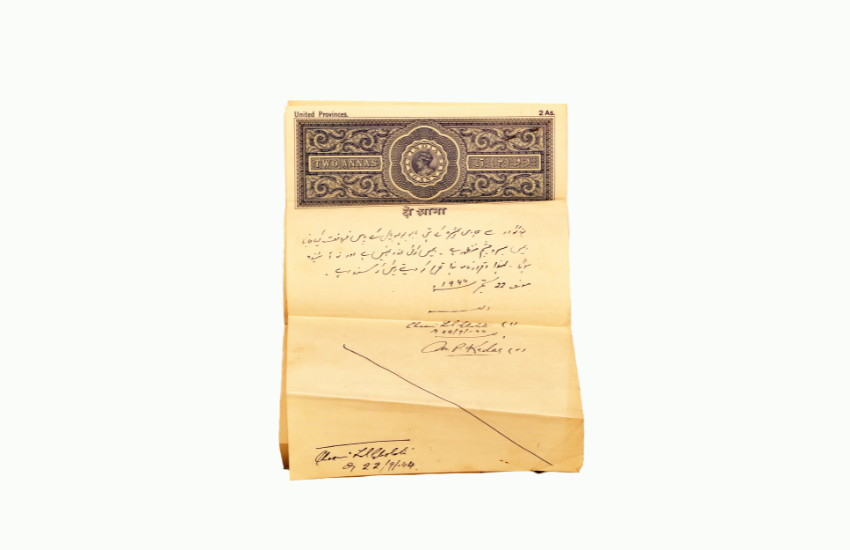
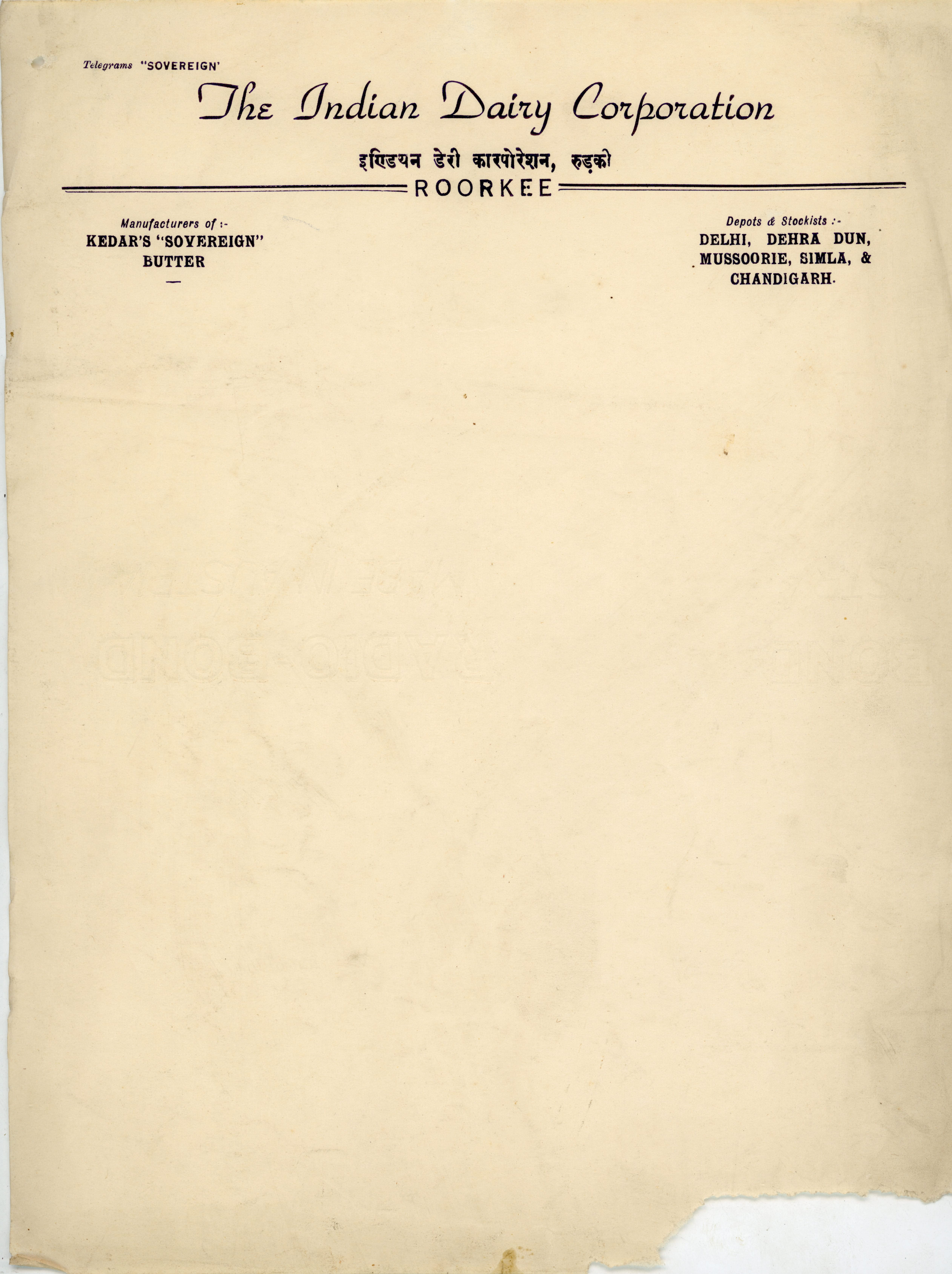
The letterhead bears the name of The Indian Dairy Corporation's celebrated product, Kedar “Sovereign” Butter and Kedar’s signature on the 12 Annas Stamped Paper serves as a bureaucratic motif of pre-independence India.
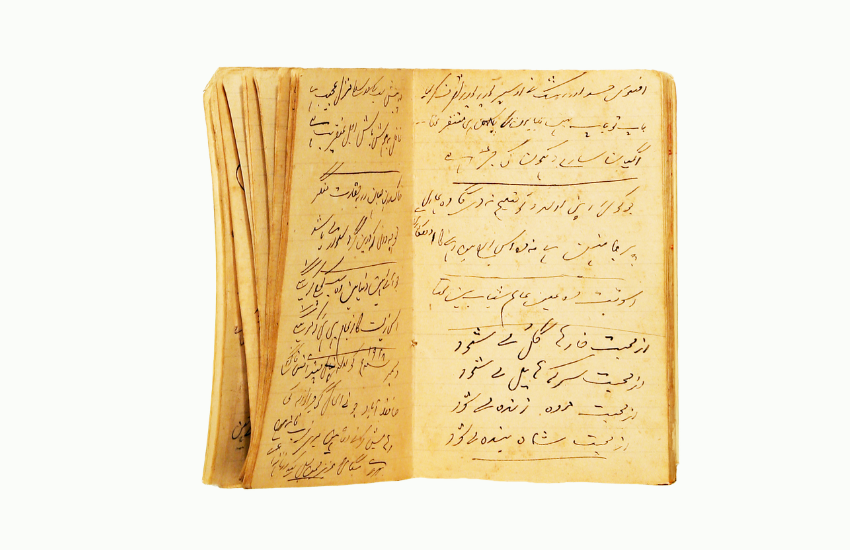
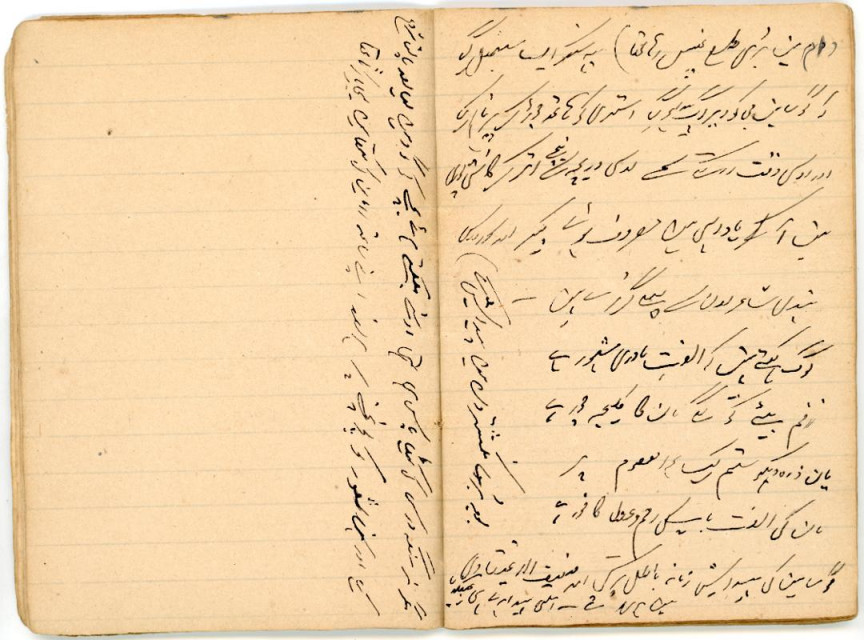
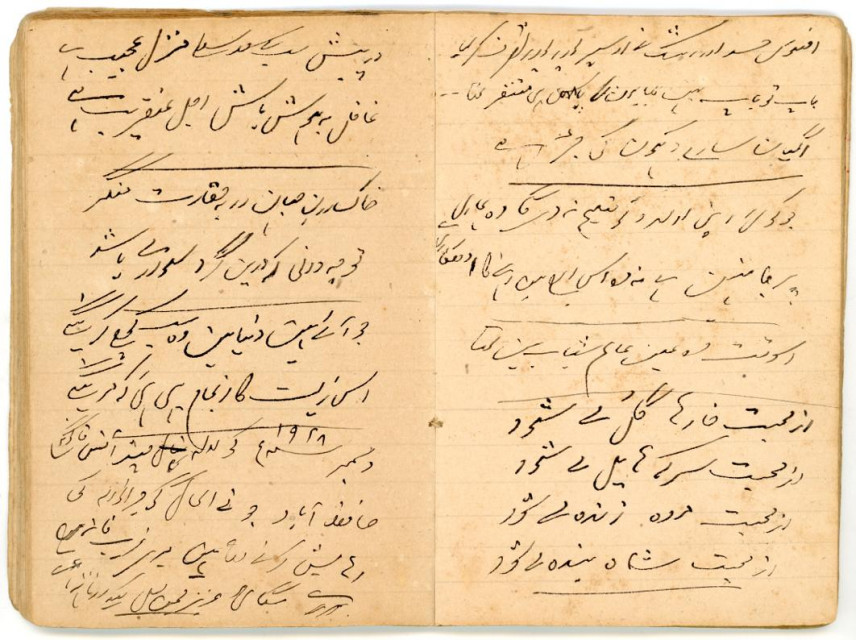
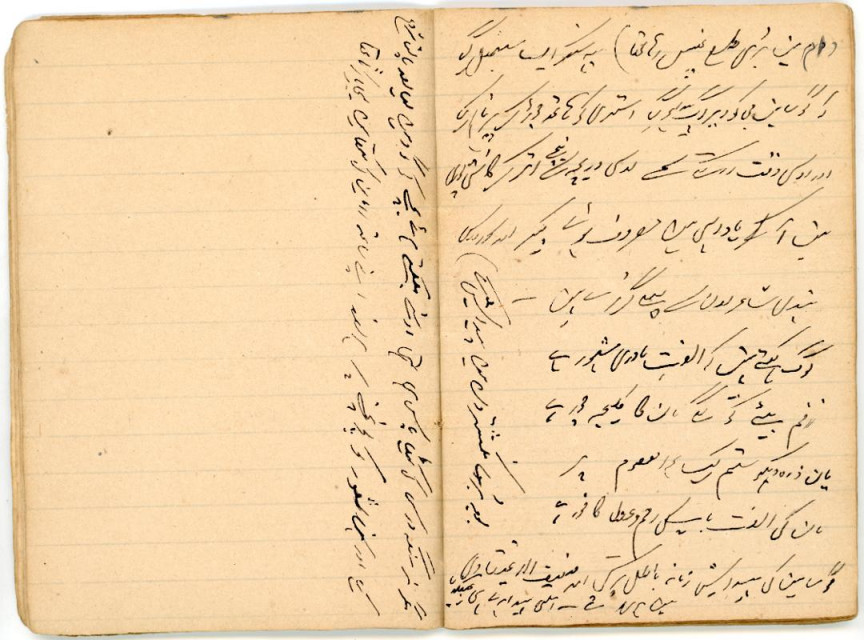
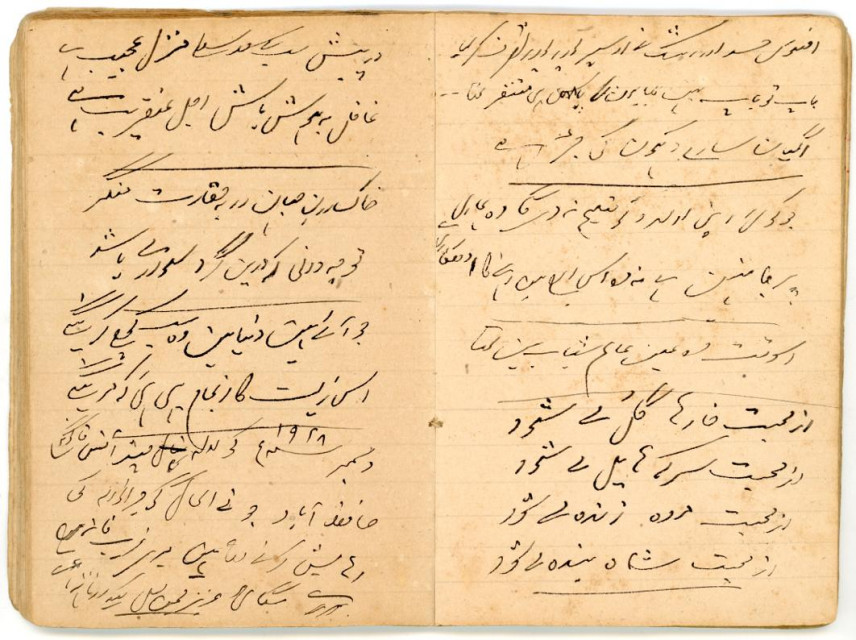
Kedar filled the pages of his personal diary with earnest observation and impressions. Anecdotes shared by the contributors tell us that his disciplined nature allowed him to undertake a long trek to Badrinath well into his late seventies. An account of this journey survives in his diary, written in Nastali’q, a style of Persian calligraphy.
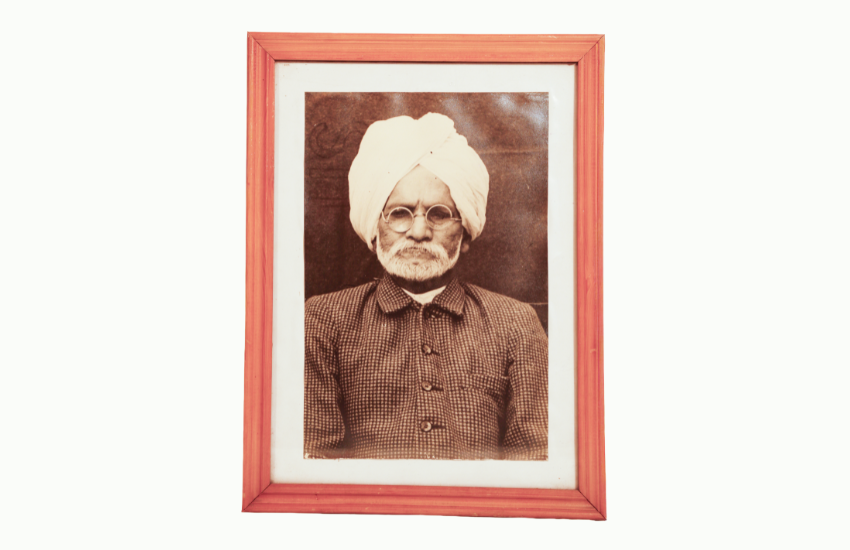
The archive jumps a generation back, to Mukul’s father, Ghasita Mal.
Mukul remembered his father as a man with an affinity for numbers and long walks. Born in Sialkot in 1863, he was a lean man of small build. In the portrait, he is seen wearing a turban known as a pagari or safa, a signifier of his cultural identity.
He held a deep admiration for West Punjab, particularly his hometown of Sialkot, a land of rich alluvial soil right on the banks of the river Beas. He passed away in 1946, a year before the India-Pakistan Partition, while visiting his son in Roorkee.
His family found solace in the fact that he was spared the sight of the bloody separation. It would have devastated him to witness his land and people divided across newly drawn borders. Ghasita Mal’s final gift to his loved ones was a love for the outdoors, an attachment to their soil and the grit to persevere in all circumstances.
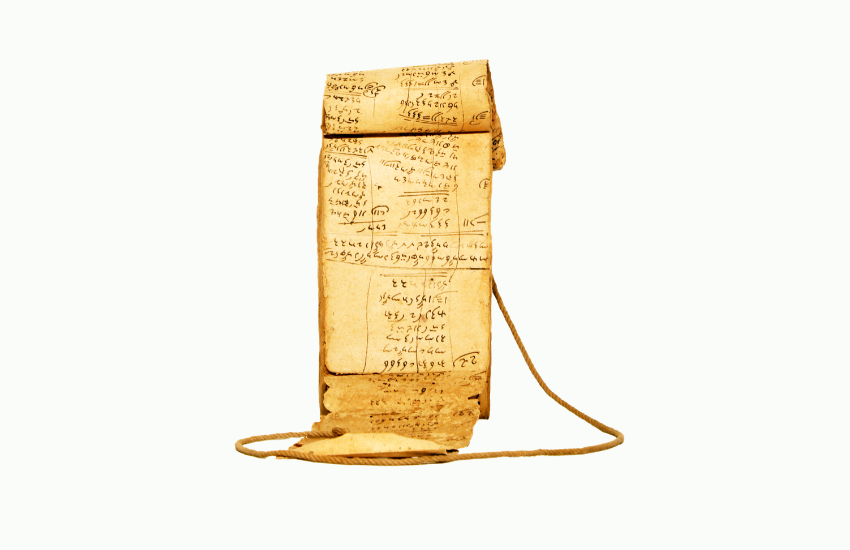
After clearing the Punjab Public Service examination, Ghasita Mal received an appointment letter informing him of his posting as a Revenue Officer (colloquially known as a ‘Patwari’) in a village twenty miles away from his hometown.
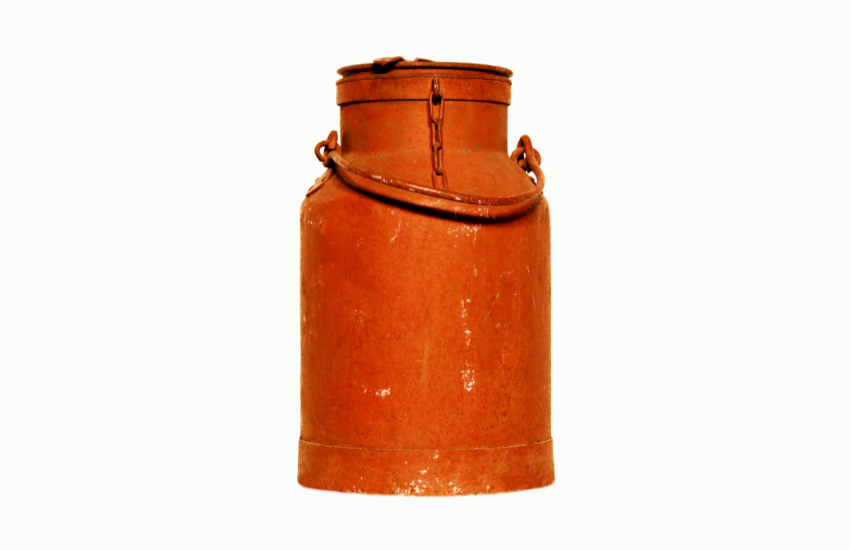
The letter reached him in the evening and instead of hiring a bullock cart, he decided to start his journey on foot, walking to his destination with a jar of homemade ghee and a handful of almonds. He had no place to spend the night, but that did not deter him. Neither did the fear of encountering robbers on a lonely rural road.
He surveyed and measured lands with radical precision. The account ledger in the frame was maintained in Urdu Shorthand, to meet the demands of writing quick notations in the administrative sphere.
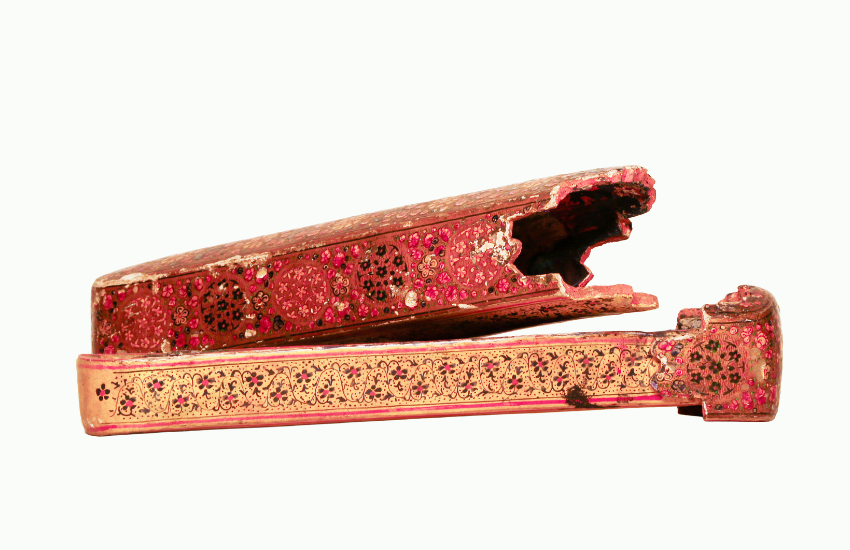
The papier-mâché pen case may have travelled from Kashmir, a region that sits at a close distance from Ghasita Mal’s hometown, Sialkot. Locally identified as kar-i-qalamdani, the pen case is ornamented with floral motifs across its length and breadth. It appears to be a possession Ghasita Mal cherished for its craftsmanship. Its naqaashi (intricacy) and functionality hold against the wear and tear of time, save for a few areas showing signs of chipping.
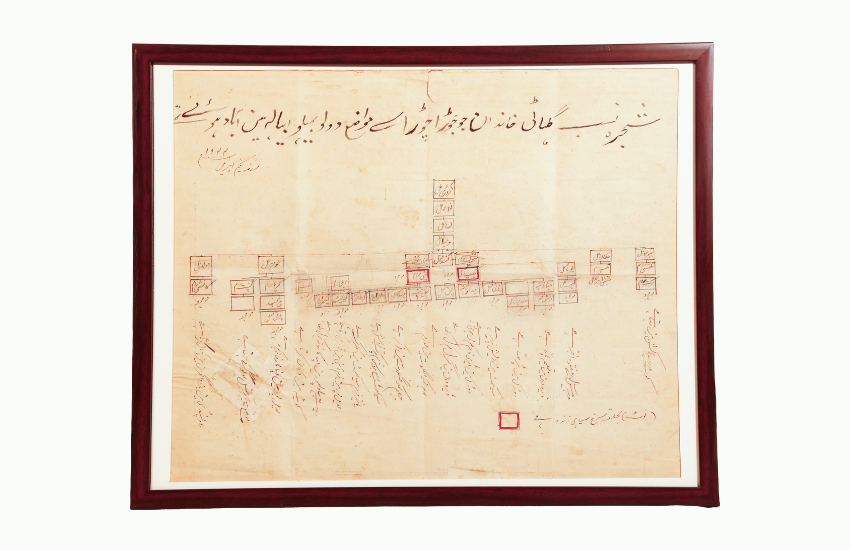
The script used in the genealogical chart is similar to what is recognised as Shikasta, a fluid version of Nastali’q that prioritises movement and visual design above anything else. Upon close inspection, one can notice each word is written with a single pen stroke, without having to lift the pen off the page. These characteristics of the script makes it difficult to accurately decipher the names of the family members and understand the key (the red box) in the chart indicates.
The annotations below the family tree appear to trace where the youngest members of each family eventually settled. They extend the genealogy beyond names and relationships. Reading from right to left, the seventh row mentions Ghasita Mal, followed by his son, Kedar Nath. The transcription reads: “Roorkee mein dairy farm kholi hui hai” noting he is running a dairy farm in Roorkee. Interestingly, there is no corresponding mention of his wife, Lata Kedar, beside his name. The omission of female family members from official ancestral records is a broader tendency of traditional genealogies to follow patrilineal lineage. This gap makes women invisible and the change in their last names post marriage muddles the waters further.